


Minimally Invasive Pilonidal Cyst Treatment
Relief without a large open wound
Living with recurring tailbone pain, swelling, bleeding or drainage can make sitting, driving, working and exercising miserable. IBI Clinic provides surgeon-led evaluation and minimally invasive treatment for pilonidal disease, including SiLaC® laser treatment for appropriate patients.
SiLaC treats the diseased sinus from the inside while preserving the surrounding healthy tissue. Most patients go home the same day with only small access openings instead of a large surgical wound.
DO YOU HAVE A PAINFUL ABSCESS?
Rapidly increasing pain, swelling, redness, fever or a tender lump may indicate an acute pilonidal abscess. An abscess often needs prompt drainage before definitive treatment of the underlying sinus.
Do not squeeze, puncture or attempt to drain the area yourself. Contact IBI Clinic or seek urgent medical care if you have fever, spreading redness, severe pain or feel acutely ill.
What Is Pilonidal Disease?
Although commonly called a “pilonidal cyst,” the condition does not always involve a true cyst. Pilonidal disease develops in the crease between the buttocks near the tailbone when loose hairs and skin debris become embedded beneath the skin.
The body reacts to this material, producing inflammation that may develop into:
- Small midline openings called pits
- A tunnel beneath the skin called a pilonidal sinus
- Persistent or intermittent drainage
- A painful, infected abscess
- Multiple or branching sinus tracts
- Recurrent disease after drainage or previous surgery
Signs You Should See a Pilonidal Specialist
Schedule an evaluation if you have :
- Pain or tenderness near the tailbone
- A recurring lump between the buttocks
- Bloody, cloudy or foul-smelling drainage
- One or more visible pits or openings
- Repeated episodes treated with antibiotics
- An abscess that returned after being drained
- A wound that has not healed after previous surgery
- Difficulty sitting, driving, exercising or working
Other conditions—including hidradenitis, skin infections and anal fistulas—can resemble pilonidal disease. A focused examination is important before choosing treatment.
Available Treatments For Your Pilonidal Disease
There is no single procedure that is best for every patient.
NO ACTIVE ABSCESS
Observation, cleft hygiene and hair control may be appropriate for mild or minimally symptomatic disease.
ACUTE PILONIDAL ABSCESS
Incision and drainage is generally the first treatment for a painful abscess. Antibiotics may be added when there is surrounding skin infection, but antibiotics alone usually do not eliminate the underlying sinus.
CHRONIC OR RECURRENT SINUS
SiLaC, pit-based procedures, excision or an off-midline flap may be considered depending on the number, depth and direction of the tracts.
COMPLEX OR NONHEALING DISEASE
Patients with extensive branching tracts, wounds close to the anus or multiple failed procedures may need imaging or a more advanced reconstructive approach.
What Is SiLaC®?
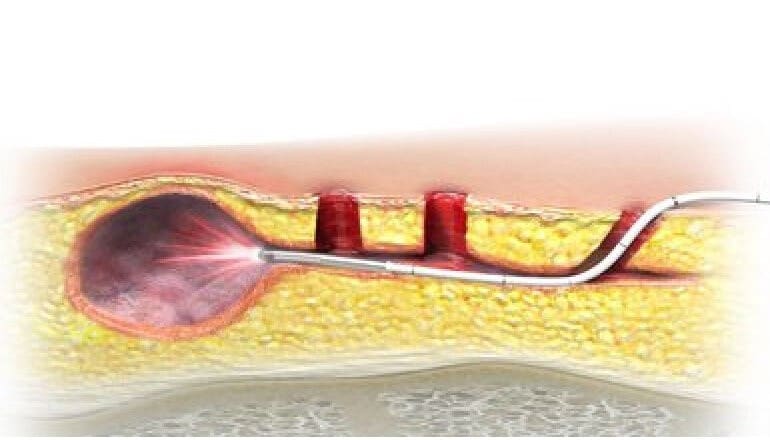
SiLaC stands for Sinus Laser-assisted Closure. It is a minimally invasive surgical procedure designed to close a pilonidal sinus without removing a large block of skin and healthy tissue.
During treatment, the surgeon cleans the sinus and removes trapped hair, debris and unhealthy granulation tissue. A thin radial laser fiber is then passed through the tract. Controlled laser energy treats the sinus lining circumferentially, causing the tract to contract and heal gradually from within.
To know more about SiLaC®, click here to view the full article.
How SiLaC Works?
- EXAMINATION AND MAPPING
The surgeon identifies the primary pits, drainage openings and direction of the sinus tracts. - CLEANING AND DEBRIDEMENT
Hair, debris and inflamed tissue are carefully removed. An opening may be slightly enlarged when necessary to clean the cavity adequately. - RADIAL LASER TREATMENT
A flexible laser fiber is introduced into the tract and withdrawn in a controlled manner, treating the entire sinus lining. - SMALL DRESSING
Because SiLaC does not require wide excision, the remaining openings are small. Patients typically leave the surgery center the same day.
The anesthesia and procedure time depend on the extent of disease, prior surgery and the patient’s medical needs. Your surgeon will explain the recommended plan before treatment.
Potential Benefits of SiLaC
For properly selected patients, SiLaC may provide:
- No large open excision wound
- Preservation of healthy skin and tissue
- Less postoperative discomfort
- Minimal scarring
- Limited wound-care requirements
- Faster return to daily activities
- Same-day discharge
- The ability to repeat treatment if a tract persists or returns
Individual recovery and results vary. No pilonidal procedure can guarantee that the disease will never recur.
Patient Testimonial
Comparing Pilonidal Treatment Options

Who May Be a Candidate for SiLaC?
SiLaC may be considered for patients with:
- One or more chronic draining sinuses
- Primary pilonidal disease
- Disease that returned after drainage
- Selected recurrent disease after previous surgery
- A strong preference to avoid a large open wound
- Tracts that can be adequately cleaned and treated internally
SiLaC may not be the first step when there is a large acute abscess, extensive branching disease, significant tissue loss or a diagnosis that remains uncertain. An examination is required to determine candidacy.

What Does the Research Show?
Published evidence supports SiLaC as a tissue-sparing option with short operating times and generally rapid return to normal activity.
A 2026 systematic review of 29 studies reported a pooled SiLaC cure rate of 86%, recurrence rate of 11%, complication rate of approximately 10% and average complete healing time of about 30 days.
These figures are averages—not guarantees. Outcomes vary with disease complexity, previous operations, follow-up duration, surgical technique and postoperative hair control.
Most available studies are observational rather than direct randomized comparisons.

Reducing the Risk of Recurrence
Long-term control involves more than closing the existing tract. Your care plan may include:
- Keeping the gluteal cleft clean and dry
- Avoiding prolonged pressure during early healing
- Removing loose hair from the cleft
- Surgeon-directed shaving or depilatory use
- Professional laser hair reduction when appropriate
- Maintaining follow-up until the openings are fully healed
- Returning promptly if drainage or swelling recurs
Hair removal is an important part of pilonidal-disease management and recurrence prevention, according to clinical guidance from the American Society of Colon and Rectal Surgeons.
Why Choose IBI Clinic?
SURGEON-LED DECISION MAKING
Your disease pattern—not a marketing promise—determines the recommended treatment.
MINIMALLY INVASIVE EXPERTISE
IBI Clinic focuses on tissue-sparing laser techniques designed to reduce wounds, discomfort and disruption.
CARE FOR PRIMARY AND RECURRENT DISEASE
We evaluate first-time disease, recurrent abscesses and selected cases that have not healed after previous treatment.
COMPLETE TREATMENT PATHWAY
If SiLaC is not the right choice, our surgeons will explain the treatment that is more likely to provide a durable result.
CONVENIENT CONSULTATIONS
IBI Clinic serves patients through locations in Georgia and Florida. Teleconsultation may begin the evaluation process, although an in-person examination is usually needed to confirm the diagnosis and final treatment plan.
Frequently Asked Questions
Is SiLaC really surgery?
Yes. SiLaC is a minimally invasive surgical procedure. It avoids wide tissue excision, but it still requires sterile technique, appropriate anesthesia and treatment by a qualified surgeon.
Can SiLaC treat an active abscess?
A large, painful abscess generally needs drainage first. Definitive treatment of the remaining sinus can be planned after the acute infection improves. Selected cases may be managed differently based on the surgeon’s findings.
Is SiLaC painful?
Most patients experience less postoperative discomfort than they would after a large open excision. Pain varies, and your surgeon will provide an individualized pain-control plan.
Will I need wound packing?
SiLaC usually leaves only small access openings and generally avoids weeks of deep packing associated with a wide open wound. A small absorbent dressing may still be required while drainage continues.
When can I return to work or school?
Many patients return to light activity within a few days, but the timing depends on pain, drainage, occupation and disease complexity. Jobs involving prolonged sitting or strenuous physical activity may require additional time or modifications.
Can I sit after SiLaC?
Short periods of sitting may be permitted, but prolonged direct pressure should usually be limited during early recovery. Follow the instructions provided by your surgeon.
Can pilonidal disease return after laser treatment?
Yes. Recurrence is possible after every pilonidal treatment. Complex anatomy, retained hair, incomplete healing and longer follow-up can influence recurrence. SiLaC can sometimes be repeated if a tract persists or returns.
Will I need more than one SiLaC treatment?
Many patients heal after one procedure, while others require repeat treatment. This possibility should be discussed before surgery, especially with recurrent or branching disease.
Do I need an MRI?
Most straightforward cases are diagnosed by examination. Ultrasound or MRI may be helpful for atypical disease, multiple previous operations, extensive branching tracts or an opening close to the anus.
Do antibiotics cure a pilonidal sinus?
Antibiotics can treat surrounding infection in selected patients, but they do not remove trapped hair or eliminate an established sinus tract.
Does insurance cover treatment?
Coverage depends on the insurance plan, diagnosis, procedure and treatment location. IBI Clinic can review benefits and provide self-pay information before scheduling.
Can an out-of-state patient start with a teleconsultation?
Yes. A teleconsultation can help review symptoms, previous procedures and available records. An in-person examination may still be required before the final treatment recommendation.